Branded clothing has become an important part of how businesses present themselves, connect with employees, and build brand recognition. Customised apparel offers a practical way to keep a brand visible beyond traditional marketing channels.
However, placing a large clothing order involves more than selecting a design and deciding how many pieces you need. Fabric quality, printing techniques, garment styles, artwork preparation, sizing, and production costs all influence the final result.
Whether you are ordering clothing for your employees, preparing merchandise for an upcoming event, or creating promotional products for customers, understanding the process can help you make informed decisions. This guide covers the essential factors businesses should consider before placing an order.
What is Bulk Apparel Printing?
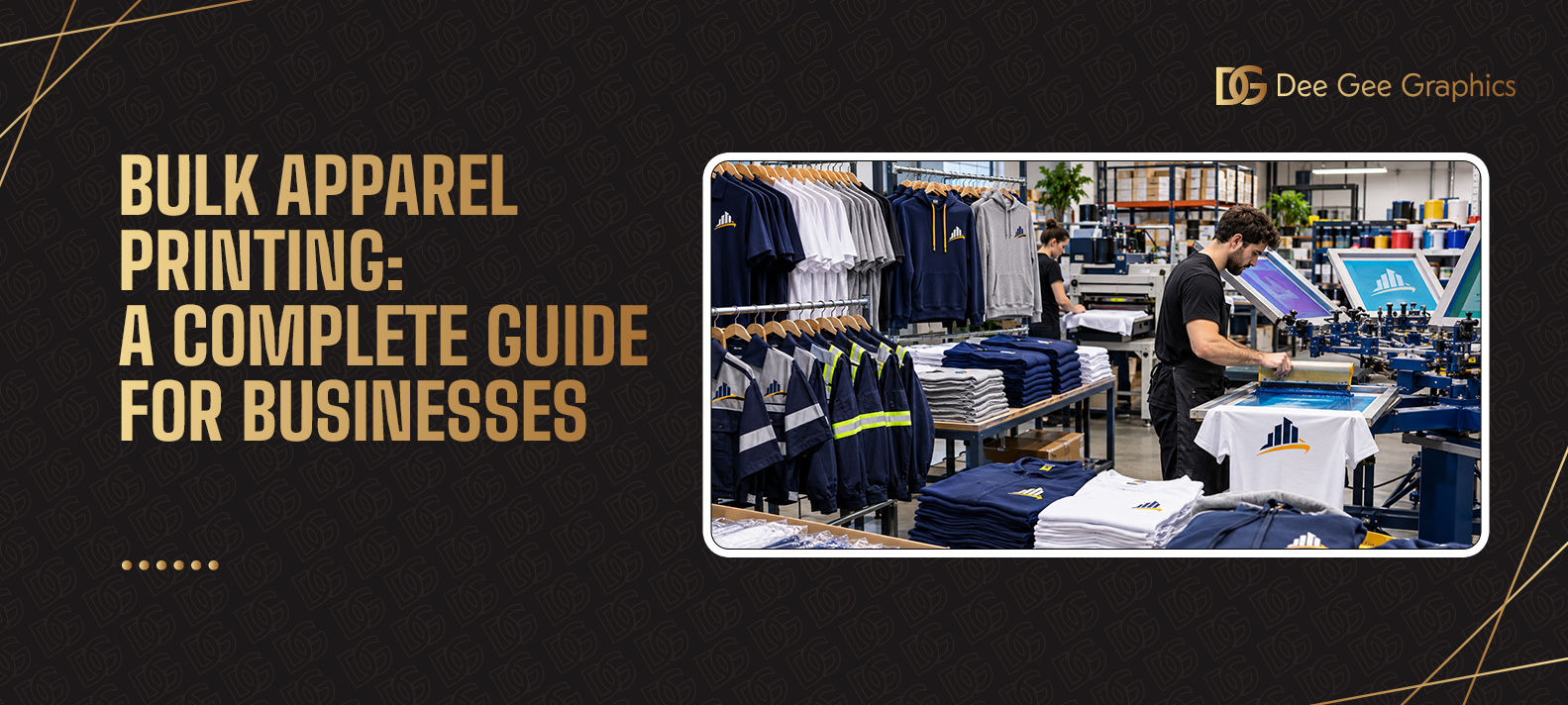
Bulk apparel printing is the process of producing customised clothing in larger quantities using specialised printing techniques. Businesses can add logos, brand colours, promotional messages, graphics, or other design elements to garments to create consistent branded merchandise.
It is commonly used by corporations, retail businesses, sports organisations, educational institutions, hospitality companies, and event organisers.
Benefits of Bulk Apparel Printing for Businesses
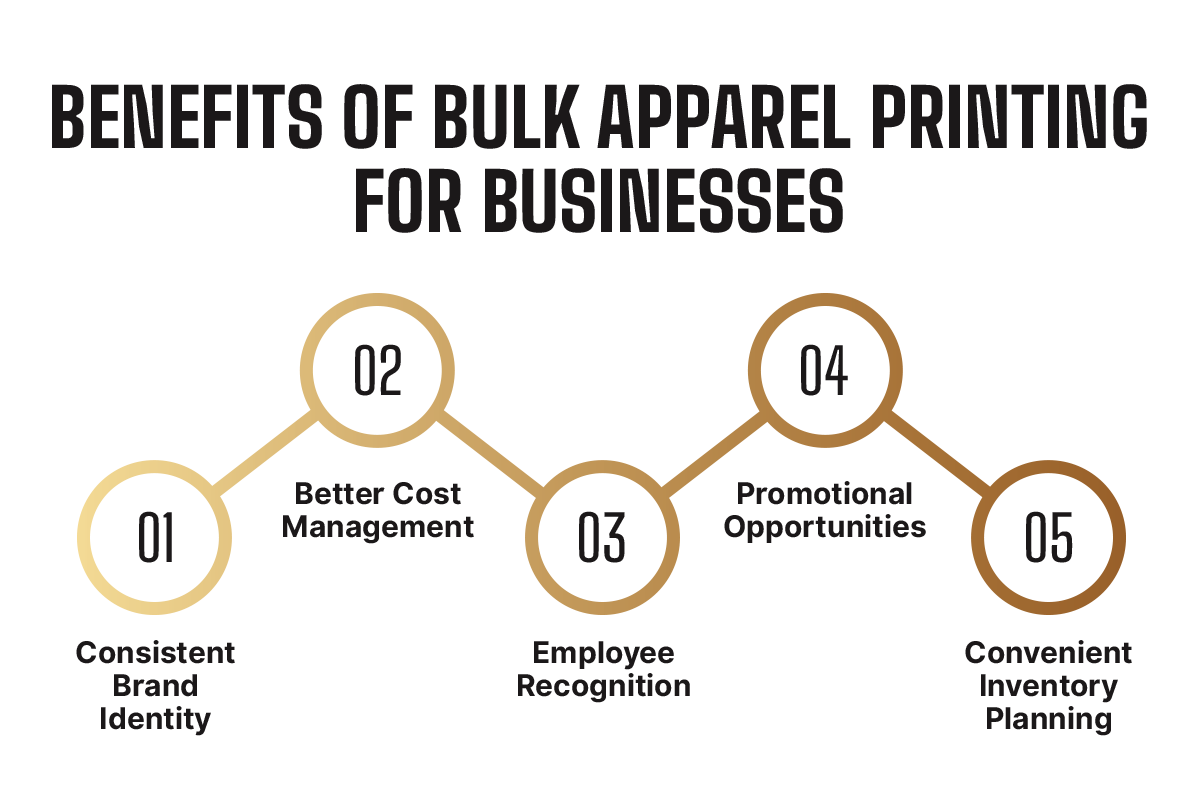
Ordering customised clothing in larger quantities offers several practical advantages:
- Consistent Brand Identity: Uniform designs, colours, and logos help maintain a professional and recognisable brand image across teams and locations.
- Better Cost Management: Larger orders can reduce the per-item production cost, making it easier to manage budgets for recurring clothing requirements.
- Employee Recognition: Branded uniforms create a sense of belonging and help employees present a consistent image when interacting with customers.
- Promotional Opportunities: Customised clothing extends brand visibility through employees, customers, events, and everyday use.
- Convenient Inventory Planning: Businesses can maintain an adequate supply of branded clothing for new employees, seasonal requirements, and upcoming events.
For organisations with multiple employees or locations, Bulk Clothing Printing can also simplify future ordering by establishing a consistent apparel standard.
Types of Apparel You Can Order in Bulk
The right garment depends on your business environment, intended use, season, and brand requirements. Here are some popular options.
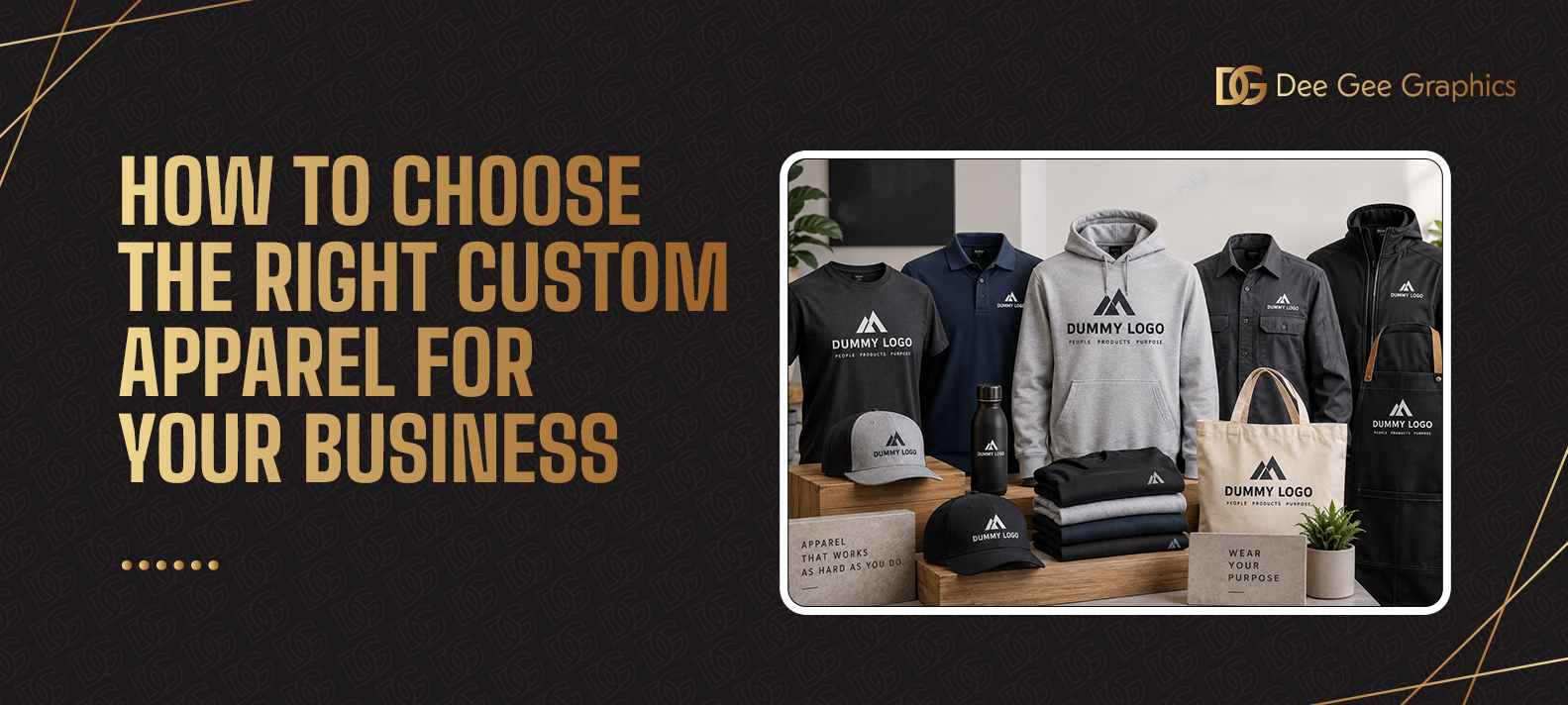
Custom T-Shirts
T-shirts are among the most versatile choices for promotional campaigns, staff uniforms, events, and merchandise collections. Available in different fabrics, colours, fits, and styles, they provide ample space for logos and creative designs.
Polo Shirts
Polo shirts offer a more polished appearance while maintaining everyday comfort. They are particularly suitable for retail teams, corporate staff, hospitality businesses, and customer-facing employees who require a consistent professional look.
Hoodies and Sweatshirts
Hoodies and sweatshirts are practical choices for cooler weather, employee merchandise, sports teams, and branded merchandise collections. They offer different customisation possibilities, including chest logos, sleeve graphics, and larger back designs.
Jackets and Workwear
Jackets, outerwear, and workwear are ideal for businesses operating outdoors, in warehouses, or in industrial environments. Depending on the application, these garments can be customised with company logos, employee names, and other identifying details.
Popular Printing Methods for Bulk Apparel Orders
Choosing the right printing technique is essential because different methods produce different finishes, textures, and levels of durability.
Screen Printing
Screen printing uses specialised mesh screens to transfer ink onto fabric. Each colour in the design typically requires a separate screen, making the process particularly suitable for larger orders with consistent artwork.
It works well for bold graphics, simple logos, and designs that require vibrant colours. When properly produced and cared for, screen-printed garments offer excellent durability.
DTG Printing
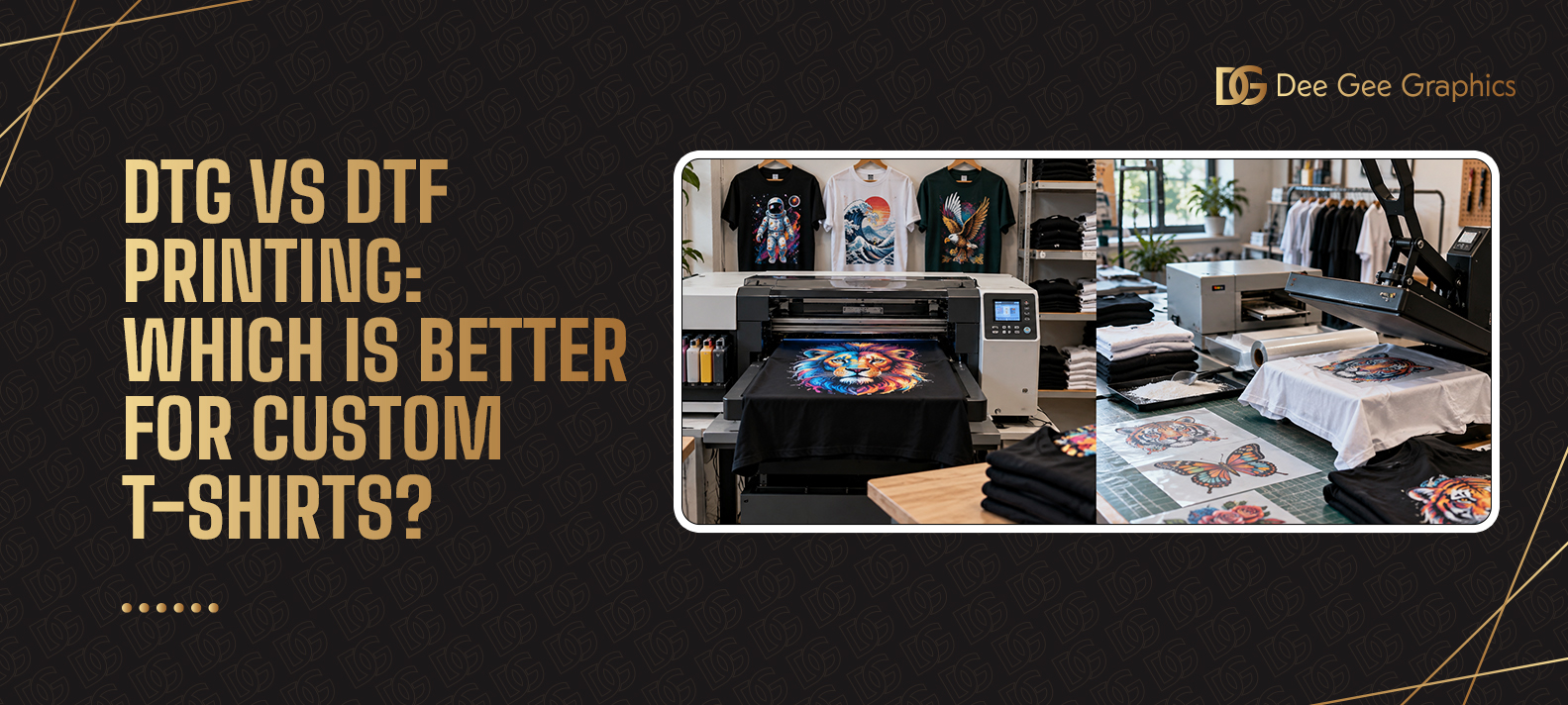
Direct-to-Garment (DTG) printing applies specialised ink directly onto the fabric using a digital printing process. It is suitable for detailed artwork, multiple colours, and designs with gradients.
This method generally works best on compatible fabrics, particularly cotton. It offers flexibility for intricate designs, although production speed and cost should be considered when planning larger quantities.
DTF Printing
Direct-to-Film (DTF) printing involves printing artwork onto a specialised film, applying adhesive powder, and transferring the design onto the garment using heat.
It works with a wider range of fabric types than some direct-printing methods, making it a versatile option for different clothing requirements. It is particularly useful for colourful graphics and detailed designs.
Heat Transfer Printing
Heat transfer printing uses heat and pressure to apply a design onto fabric through a transfer material. It can accommodate different artwork styles and is useful for names, numbers, logos, and smaller customised details.
The final result depends on the transfer material, garment compatibility, and application process.
DTG vs DTF Printing: Which Should You Choose?
Both methods offer advantages, but the right choice depends on your artwork and garment requirements.
DTG is often preferred for detailed, full-colour designs on suitable cotton garments. DTF offers greater flexibility across different fabric types and works well for designs that require vibrant transfers.
Before deciding, consider the fabric composition, design complexity, expected quantity, finish, and intended use. A printing provider can help assess these factors and recommend the most suitable approach.
How to Choose the Right Apparel for Bulk Printing
Selecting the right garment is just as important as choosing the printing method. Even a well-designed logo may not deliver the desired result if the clothing itself is unsuitable.
Consider the following factors:
- Fabric Composition: Cotton offers softness and breathability, while polyester is often preferred for sportswear and moisture management. Blended fabrics can provide a balance of comfort and durability.
- Intended Use: Office uniforms, promotional giveaways, outdoor workwear, and event merchandise have different functional requirements.
- Fit and Sizing: Consider the people who will wear the garments. Offering a suitable range of sizes and fits helps ensure comfort and usability.
- Colour Selection: Choose garment colours that complement your brand palette and provide sufficient contrast for the printed design.
For a consistent appearance, Bulk Custom Apparel should be selected with both presentation and everyday practicality in mind.
Factors That Affect Bulk Apparel Printing Costs
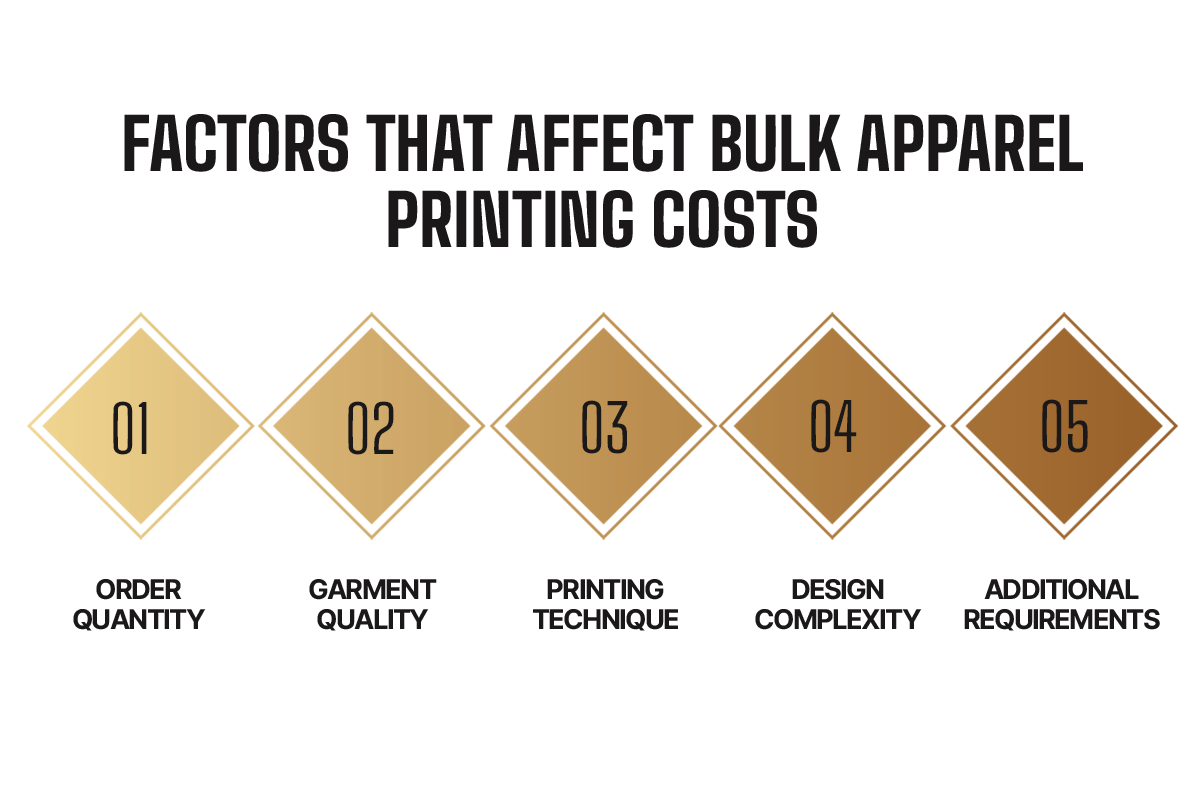
The total cost of an order depends on several variables for Bulk Apparel Printing. Understanding them beforehand helps businesses plan more accurately and avoid unexpected expenses.
Order Quantity: Larger production runs may offer lower per-unit pricing because setup and production costs are distributed across more garments.
Garment Quality: Fabric type, brand, weight, construction, and style influence the base cost of each item.
Printing Technique: Different processes involve varying setup requirements, materials, labour, and production time.
Design Complexity: Artwork involving multiple colours, intricate details, large print areas, or multiple placements may increase production costs.
Additional Requirements: Individual packaging, garment labels, special finishes, and specific delivery arrangements may also influence the final quotation.
Requesting a detailed estimate before approving production helps you understand what is included and compare options effectively.
Artwork, Logo Placement and Customisation Options
Artwork preparation plays a significant role in the final appearance of printed clothing. Low-resolution images, incorrect colour specifications, or poorly positioned logos can affect the quality of the finished product.
Whenever possible, provide high-resolution artwork in a suitable vector format, such as AI, EPS, or print-ready PDF. This helps maintain clarity, particularly when designs need to be resized.
Common placement options include:
- Left or Right Chest: Suitable for corporate logos and uniform branding.
- Full Front: Ideal for promotional graphics and statement designs.
- Back Placement: Offers additional space for larger artwork or messaging.
- Sleeve Placement: Works well for secondary branding and smaller details.
Customisation options can also include employee names, department identifiers, numbers, and individual design elements. Custom Printed Clothing should maintain a consistent visual identity while accommodating the practical needs of the organisation.
Common Mistakes to Avoid When Ordering Bulk Apparel
A little preparation can prevent unnecessary delays, additional expenses, and production issues. Watch out for these common mistakes:
- Choosing Price Over Quality: Low-cost garments may not provide the comfort or durability required for regular use.
- Ignoring Size Requirements: Failing to collect accurate size information can result in garments that are unsuitable for employees or customers.
- Submitting Incorrect Artwork: Blurry logos, incorrect colours, and unsuitable file formats can compromise the finished design.
- Overlooking Fabric Compatibility: Not every printing method works equally well with every garment material.
- Skipping Sample Approval: Reviewing a sample before full production helps identify design, placement, and colour issues.
Tips for Placing a Successful Bulk Apparel Order
A well-organised order starts with a clear understanding of what you need. Keep these practical tips in mind:
- Finalise your design, branding guidelines, and artwork before requesting production.
- Confirm garment styles, colours, fabric specifications, and size quantities.
- Request samples or a digital proof to review the design before approval.
- Discuss printing options with your provider based on the artwork and intended garment.
- Confirm production timelines, delivery arrangements, and order specifications.
- Consider future requirements when deciding quantities to avoid frequent repeat orders.
For businesses planning Custom Apparel Printing for multiple departments, locations, or events, maintaining a clear order specification can make repeat production much easier.
Why Choose Dee Gee Graphics for Bulk Apparel Printing?
At Dee Gee Graphics, we help businesses bring their branding to life through quality garment printing and customised apparel solutions. We understand that branded clothing represents your business, which is why attention to detail and consistency remain central to our approach.
From Custom Hoodie Printing, Custom T-Shirt Printing to Bulk Garment Printing, we work with your requirements to deliver apparel that aligns with your brand identity.
We work closely with clients to understand their requirements and help them make informed decisions about garment selection, design, and printing.
Frequently Asked Questions
What is the minimum quantity for a bulk clothing order?
Minimum order quantities vary depending on the printing method, garment type, and production requirements. It is best to confirm the available options with your printing provider before finalising your order.
Which printing method is best for large clothing orders?
Screen printing is often a cost-effective choice for larger quantities with consistent designs. However, DTG, DTF, and heat transfer may be more suitable depending on artwork complexity, fabric type, and the desired finish.
How long does a bulk garment order take?
Production timelines depend on order quantity, garment availability, printing technique, artwork approval, and delivery arrangements. Always confirm the expected turnaround time before placing an order.
Can I print different sizes and colours in one order?
Yes, many printing providers accommodate multiple garment sizes and colours within a single order. However, available options and pricing may depend on the specific production requirements.
Can I use my own logo and artwork?
Yes. Most providers accept customer-supplied logos and artwork. High-resolution or vector files are generally recommended to achieve clean, professional printing results.
The End Note
Ordering customised clothing in larger quantities requires careful consideration of garment quality, printing techniques, artwork, quantities, and budget. Making these decisions early can help businesses achieve consistent branding while keeping production costs and timelines under control.
At Dee Gee Graphics, we are here to help turn your branding requirements into professionally printed apparel.
Get in touch with our team to discuss your next order.
Put your brand on every shirt, hoodie and jacket.
Send us your logo, the garments you have in mind, rough quantities and sizes. We can help you choose the right apparel and printing method, prepare your artwork and produce a consistent bulk order for your team, event or customers.